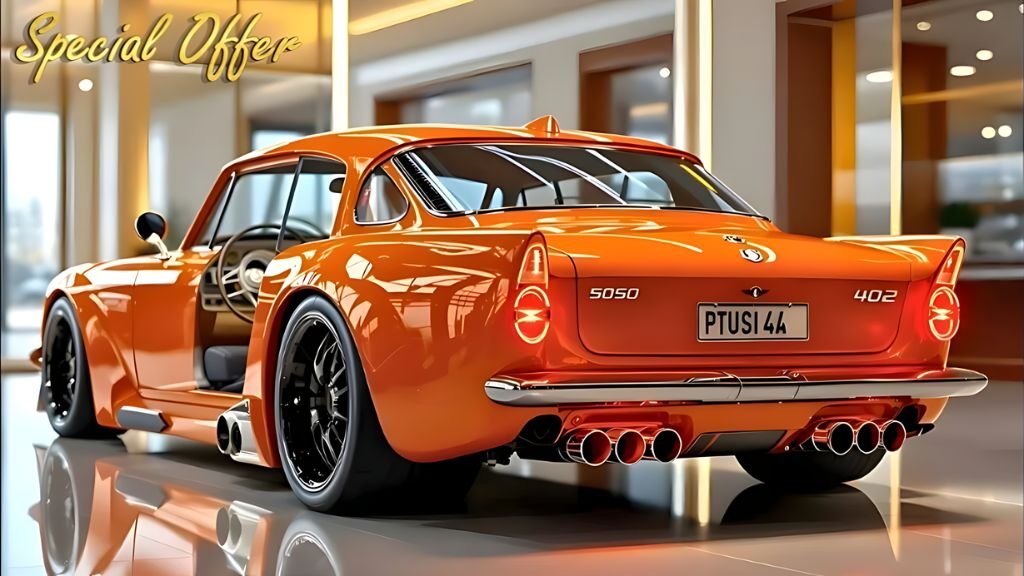
Moskvitch Amazing New Model Launch: The Moskvitch 402 is a car that represents the golden age of Soviet automotive engineering. Released in the early 1950s, this vehicle became one of the most iconic cars of its era. With its elegant design, reliable performance, and affordable price, the Moskvitch 402 quickly became a symbol of Soviet innovation in the automotive industry.
In this article, we will take a deep dive into the history, design, specifications, and legacy of the Moskvitch 402. Whether you’re an automotive enthusiast or just curious about vintage cars, this article will provide valuable insights into one of the most beloved Soviet cars of all time.
Introduction to the Moskvitch 402
The Moskvitch 402 was produced by Moskvitch Moscow Automobile Plant (ZMA), marking a significant milestone in Soviet automobile production. Introduced in 1956, it became the successor to the Moskvitch 401, and its production continued until 1958, with around 220,000 units manufactured. The Moskvitch 402 was a major step forward in Soviet automotive design, offering an improved engine, more refined styling, and greater comfort than its predecessors.
A Step Toward Modernization
The Moskvitch 402 was a key player in the Soviet Union’s drive to modernize its domestic car industry. At a time when the Soviet Union was still recovering from the devastation of World War II, the introduction of Moskvitch 402 signaled the country’s intent to build reliable, mass-market vehicles that could serve the needs of both urban and rural populations.
Design and Styling: A Blend of Functionality and Elegance
One of the most striking aspects of the Moskvitch 402 is its design. While Soviet cars were often known for their utilitarian style, the Moskvitch 402 stood out with its more refined and elegant appearance. Moskvitch car’s design was influenced by both Western European and Soviet trends, and it was often compared to European sedans of the time.
Exterior Design: Smooth Lines and Streamlined Body
The Moskvitch 402 featured a streamlined body with smooth, flowing lines that gave it an aerodynamic look. Moskvitch 402 It was a four-door sedan with a relatively compact size, making it ideal for city driving. Moskvitch The car’s front grille was wide and distinctive, with chrome accents that added a touch of sophistication. Moskvitch overall design was both practical and stylish, catering to the tastes of the Soviet middle class.
Interior Design: Comfort and Simplicity
Inside, the Moskvitch 402 featured a simple yet comfortable layout. Moskvitch seats were upholstered in fabric, and the dashboard was straightforward, with easy-to-read gauges. The car was equipped with basic amenities, but it was designed for practicality rather than luxury. Moskvitch However, for its time, the 402 offered a decent level of comfort for both the driver and passengers.
Engine and Performance: Reliable and Efficient
The Moskvitch 402 was powered by a 1.3L 4-cylinder engine, which provided a respectable 45 horsepower. While not a high-performance vehicle by modern standards, the car was designed for reliability and efficiency, making it a popular choice for everyday use.
Performance and Driving Experience
The Moskvitch 402 had a top speed of around 115 km/h (71 mph), which was sufficient for most driving needs during the 1950s. It could accelerate from 0 to 100 km/h in just over 30 seconds, a respectable time for a car of its class. Moskvitch 402 was also known for its smooth ride, thanks to its suspension system, which absorbed road imperfections well.
Fuel Efficiency: Practical for Everyday Use
The Moskvitch 402 was known for its fuel efficiency, consuming around 8-9 liters per 100 kilometers (29-26 mpg). This made it an economical choice for both individual owners and commercial users, especially during a time when fuel efficiency was highly valued due to the scarcity of gasoline in many areas.
Technology and Features: Ahead of Its Time
The Moskvitch 402 was equipped with several advanced features for its time, making it a popular choice in the Soviet Union. While it didn’t have the high-tech features of modern cars, it offered practical innovations that appealed to everyday drivers.
Advanced Suspension System
One of the standout features of the Moskvitch 402 was its independent suspension system. Moskvitch car’s front suspension was independent, while the rear used a solid axle. This design provided a more comfortable and stable ride compared to earlier vehicles, making Moskvitch 402 one of the more advanced cars in its class.
Simple Yet Efficient Electrical System
The electrical system of the Moskvitch 402 was straightforward and reliable. It featured a 6-volt electrical system, which powered basic features such as the headlights, horn, and wipers. Although not as advanced as the electrical systems in modern vehicles, it was sufficient for the car’s needs.
Legacy and Impact: A Symbol of Soviet Innovation
The Moskvitch 402 holds a special place in the history of Soviet automotive manufacturing. It was one of the first mass-produced cars in the Soviet Union to feature modern styling and technology, and it helped to establish the Soviet car industry as a significant force in the global automotive market.
A Stepping Stone for Soviet Cars
The success of the Moskvitch 402 paved the way for later models, including the Moskvitch 407 and Moskvitch 408, which were even more advanced and helped to further establish the Moskvitch brand as a key player in the Soviet automobile market. Moskvitch 402 also played a role in the development of the Soviet car industry, inspiring other manufacturers to create their own mass-market vehicles.
The Moskvitch 402 Today: A Classic in the Modern Era
Although production of the Moskvitch 402 ended in the late 1950s, the car remains a beloved classic among vintage car enthusiasts and collectors. Its combination of classic Soviet design, reliability, and practicality has made it a desirable model for those interested in vintage cars.
Restoration and Preservation
Many collectors today focus on restoring and preserving Moskvitch 402 models, bringing them back to their former glory. Restoration projects often involve sourcing original parts, including the distinctive chrome grille, fabric upholstery, and the 1.3L engine. These efforts help keep the 402’s legacy alive, allowing a new generation of car enthusiasts to appreciate this piece of Soviet automotive history.
Why the Moskvitch 402 Still Captivates Enthusiasts
The Moskvitch 402 continues to captivate enthusiasts because it represents a unique period in automotive history. It was a car that reflected the aspirations of the Soviet Union during the 1950s, showcasing a blend of practicality, design, and engineering that was ahead of its time.
Classic Design with Modern Appeal
Today, the Moskvitch 402 remains a symbol of Soviet automotive ingenuity. Its design, while simple, still carries an air of elegance that is appreciated by collectors and vintage car lovers. The car’s ruggedness, combined with its historic value, makes it a sought-after piece in the world of classic cars.
Conclusion: The Enduring Appeal of the Moskvitch 402
The Moskvitch 402 is a testament to the innovation and resilience of Soviet automotive engineering. With its stylish design, reliable performance, and lasting impact on the Soviet car industry, it remains one of the most iconic cars of its era. Whether you’re a collector, a history enthusiast, or simply someone who appreciates classic cars, the Moskvitch 402 offers something truly special.
FAQs About the Moskvitch 402
Q1: What was the engine capacity of the Moskvitch 402?
The Moskvitch 402 featured a 1.3L 4-cylinder engine that produced 45 horsepower.
Q2: How fast could the Moskvitch 402 go?
The Moskvitch 402 had a top speed of around 115 km/h (71 mph).
Q3: When was the Moskvitch 402 produced?
The Moskvitch 402 was produced from 1956 to 1958.
Q4: How many units of the Moskvitch 402 were produced?
Approximately 220,000 units of the Moskvitch 402 were produced during its manufacturing run.
Q5: What makes the Moskvitch 402 a classic?
The Moskvitch 402 is considered a classic due to its innovative design, reliable performance, and historical significance as one of the first Soviet mass-market cars with modern styling and technology.